
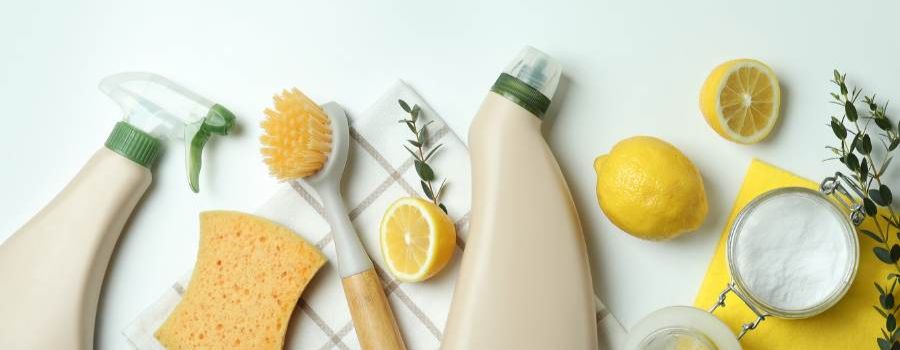
Carpets bring warmth and comfort but also collect dirt, stains, and allergens. Cleaning them is important for health and appearance. Many carpet cleaning products rely on harsh chemicals. These products release toxins into the air, cause irritation, and damage the environment.
Eco-friendly carpet cleaning offers a safer option. It uses natural, non-toxic solutions. These protect families, pets, and the planet while still removing dirt and odours. More households are now seeking these methods because chemical cleaners leave harmful residues.
Why Eco-Friendly Carpet Cleaning Matters
Conventional carpet cleaners often contain ammonia, chlorine, formaldehyde, and synthetic fragrances. These substances release volatile organic compounds (VOCs) into the air. VOCs lower indoor air quality and can lead to health problems.
Effects include:
- Headaches.
- Breathing issues.Skin irritation.
- Long-term illness with repeated exposure.
Residues remain in fibres after use. Children and pets spend more time on carpet, which increases risk. Toxic carpet cleaning products also pollute water and soil when washed away.
Eco-friendly cleaning avoids these hazards. Natural products are safe, biodegradable, and better for the environment. They also help preserve carpet fibres and extend their life.
DIY Carpet Cleaning Recipes
1. Baking Soda for Deodorising
Baking soda is one of the simplest and safest carpet cleaners. It absorbs odours, breaks down compounds that cause smells, and loosens small particles in fibres.
To apply, spread it evenly across the carpet. Use more powder on strong odours. Leave for at least 30 minutes. For best results, let it sit overnight. Vacuum slowly to remove all residue.
This step works well for pet odours, food smells, and musty carpet. Baking soda is non-toxic, inexpensive, and safe for regular use.
2. Vinegar and Water Solution
White vinegar is a natural disinfectant. It removes tough stains, neutralises odours, and reduces bacteria and mould. Its acetic acid content breaks down organic matter that causes smudge and smells.
A simple mixture is made with equal parts vinegar and water. Spray lightly on stain, then blot with a cloth. Allow the carpet to dry fully. For stronger cleaning, add salt or mix vinegar with baking soda.
Vinegar works well on stains from coffee, wine, and juice. The smell fades after drying, leaving a clean surface with no chemical residue.
3. Steam Cleaning
Steam cleaning, or hot water extraction, uses heat to remove dirt and germs. It cleans deep into fibres and kills bacteria, dust mites, and mould spores. Because it relies mainly on water, it avoids harsh chemical.
During cleaning, hot water or steam is applied under pressure. Allergens and other particles loosen and rise to the surface. Excess water is then removed to reduce drying time.
Steam carpet cleaning is effective for high-traffic areas and homes with allergies. Professional cleaners may add biodegradable detergents, but plain hot water or water with vinegar works well in rental machines.
4. Club Soda for Stains
Club soda treats fresh stain before they set into fibres. The carbonation and minerals help lift staining compounds.
Pour a small amount of soda on the affected area. Blot with a clean towel. Repeat if the stain remains. A light rinse with water and another blot can finish the process.
This carpet cleaner works best on wine, coffee, and juice. It is safe, quick, and leaves no residue.
5. Cornstarch for Oil and Grease
Grease and oil are stubborn stains. Cornstarch provides a natural way to absorb them.
Sprinkle cornstarch directly on the stain. Leave it for 15 to 20 minutes to soak up the oil. Vacuum carefully to remove it. If residue remains, spray diluted vinegar and blot with a cloth.
This carpet cleaner removes cooking oil, shoe grease, and cosmetic spills. Cornstarch is safe, effective, and prevents grease from spreading deeper into fibres.
6. Essential Oil for Freshness
Essential oils add natural fragrance and antibacterial properties. Common choices include lavender, lemon, eucalyptus, and tea tree.
Mix ten drops of oil with one cup of baking soda. Spread the blend across the carpet. Leave it for about 20 minutes, then vacuum.
This carpet cleaning method refreshes stale carpet and improves scent. Oils should always be diluted because concentrated forms may stain or irritate.
7. Dry Powder Cleaning
Dry powders offer fast cleaning without water. Many are made from biodegradable, plant-based ingredients. They absorb grime and odours while freshening fibres.
To use, spread the powder evenly on the carpet. Brush it into the fibres and leave for 15 to 30 minutes. Vacuum thoroughly to remove it.
Dry carpet cleaning suits large areas, homes in humid climates, and situations where quick drying is needed. Choosing eco-certified carpet cleaning products ensures safety.
Natural Carpet Cleaner
A homemade carpet cleaner is simple to prepare. Combine two cups of warm water, one cup of vinegar, two teaspoons of salt, and ten drops of lavender oil in a spray bottle. Spray lightly on stain, blot with a cloth, and let dry.
This mixture disinfects, reduces odours, and removes light marks. It leaves no toxic residue and is safe for frequent use.
Ongoing Carpet Care
Eco-friendly cleaning works best with consistent care. Discolouration should be treated immediately before they set. Always blot, never rub, since rubbing pushes the splatter deeper.
Vacuuming two or three times each week removes dust and debris. Rooms should be ventilated after cleaning to prevent mould. Testing carpet cleaners on a hidden spot first ensures they do not damage the carpet.
Professional Carpet Cleaning
Home methods handle everyday care, but professional services are important for deeper results. A yearly or twice-yearly environmentally friendly service improves hygiene and extends carpet life.
Professional carpet cleaners use stronger equipment and may apply hot water extraction or low-moisture systems. The best services rely on biodegradable, plant-based, green carpet cleaning solutions instead of harmful chemicals.
Hiring as expert cleaning service reduces allergens, kills bacteria, and removes deep grime safely. It also improves indoor air quality.
Benefits of Eco-Friendly Carpet Cleaning
- Improves health by lowering exposure to toxins and allergens.
- Safe for children and pets.
- Reduces water and soil pollution.
- Protects carpet fibres and extends lifespan.
- Cuts long-term costs by preventing damage.
Health and Environmental Impact
Carpet traps dust, pollen, and microbes. Without cleaning, these trigger allergies and breathing problems. Natural cleaning removes contaminants without adding chemicals. The result is cleaner air and fewer health issues.
Conventional cleaners discharge toxins into the environment. Natural ingredients break down safely and do not pollute waterways. Safe and green choices support healthier living spaces and a sustainable environment.
Maintenance Schedule
Regular maintenance is key. Vacuum carpet two to three times a week. Spot clean immediately after spills. Perform a full deep clean every 6 to 12 months. Arrange professional cleaning once a year or more often in high-use homes.
Conclusion
Eco-friendly carpet cleaning is safe, effective, and sustainable. Methods such as baking soda, vinegar, steam cleaning, and essential oils remove blemishes and unpleasant odours without toxic chemicals. Cornstarch and dry powders provide solutions for grease and quick cleaning.
Homemade mixtures and professional green services complete the options available. With consistent care, carpet stays fresh, safe, and durable. Eco-friendly methods improve indoor air, protect health, and reduce environmental harm.
Making this choice ensures both cleaner carpets and a healthier home.